
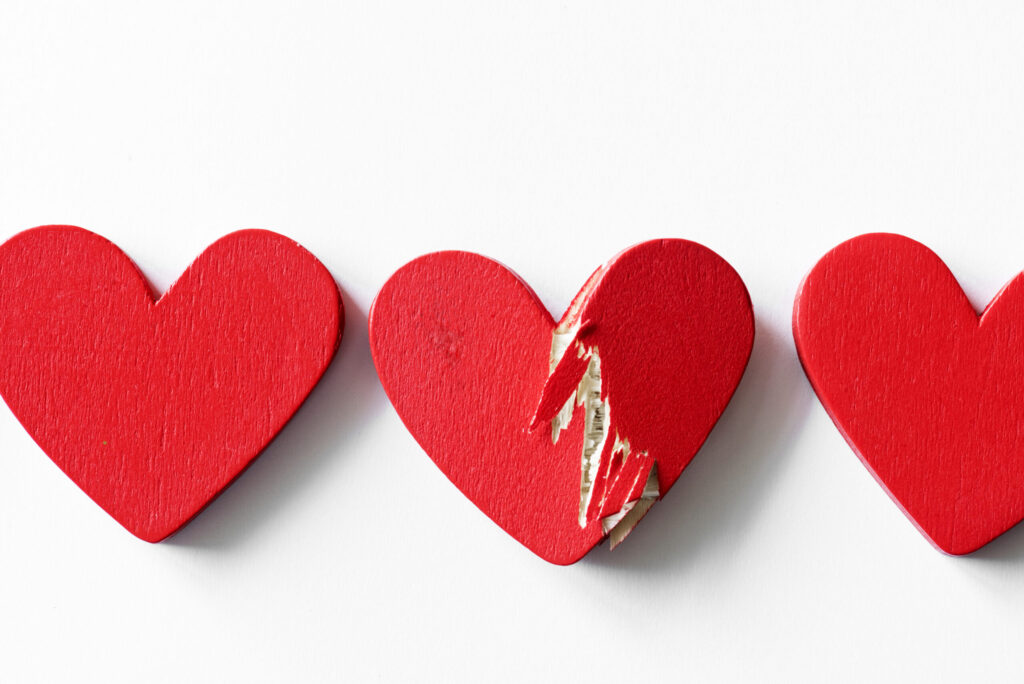
According to the Oxford Dictionary, love is defined as an intense feeling of deep affection. But when it comes to love and Valentine’s Day, what does that actually mean for you?
For some, Valentine’s Day is exciting—especially in the early stages of a relationship. It can feel romantic, hopeful, and full of possibility. Historically, the idea of romance dates back to the Romanticism movement of the late 1790s, which idealised emotion, passion, and connection. That legacy still shapes how we view love today.
For others, Valentine’s Day is a dreaded date. Everywhere you look there are images and public declarations of love—constant reminders of being single, of feeling “left out,” or of not measuring up. Some see it as an overly commercialised event designed to exploit emotions for profit and choose to boycott it altogether.
Valentine’s Day can also become a mask for unhealthy relationships. Sometimes gifts and elaborate gestures are used as a sticking plaster—creating the illusion that everything is okay when deeper issues are being ignored.
The Comparison Trap
As a therapist, I often hear clients talk about comparing themselves to others. This comparison creates pressure and expectations that simply aren’t realistic. When I ask where these expectations come from, the answer is usually the same: social media, reality TV, and dramas that portray a “perfect life,” a “perfect relationship,” and a “perfect home.”
For someone already managing anxiety, low self-esteem, or limited mental health support, the belief that they need to be in a relationship to be worthy can be extremely damaging.
Where does a person’s self-worth really come from?
And why do we rely on a single gesture—or another person—to secure it?
Relationships Don’t Guarantee Happiness
Love is a connection between two people that forms a relationship—but being in a relationship does not automatically mean you’ll feel happy, especially on Valentine’s Day. Expectations that aren’t communicated or met often lead to disappointment and conflict.
One way to reduce this is communication. It sounds simple, but it’s anything but. Healthy communication takes time, effort, and practice.
Being single or partnered does not define who you are or your worth.
Try removing the pressure around gifts. Talk to each other. Ask what truly matters in your relationship rather than what you think should matter.
Attachment, Insecurity, and Valentine’s Day
Valentine’s Day can bring attachment issues to the surface. Feelings such as jealousy, fear of abandonment, lack of trust, avoidance, or being dismissive of problems can intensify during this time.
Ignoring these issues doesn’t make them go away. If you notice these patterns showing up, this can be a valuable opportunity to address them. Reaching out to a professional can help you understand where these feelings come from and how to manage them more safely.
Self-Care Has No Rules
Comparisons aren’t helpful—and they’re rarely real. Focusing on others’ appearances and relationships distracts you from what actually matters to you.
Take a day for yourself. There is no wrong way to practise self-care.
Let go of preset expectations. Take a break from social media. Spend time with the people who genuinely matter to you. Reflect on what you like about yourself, what others appreciate about you, and remember—one day does not define the rest of your year.
What Love Really Looks Like
It’s cute—but sometimes Valentine’s Day is taken too far. There’s a difference between buying a gift and being excessive. Is the message “I love you,” or “I have money”?
Love is found in the everyday moments:
- Going downstairs in the middle of the night to fetch a drink
- Remembering something your partner likes and picking it up spontaneously
- Sending a random message in the middle of the day just because
Those small, consistent actions are often far more meaningful than grand gestures.
A Personal Reflection
Today, many teenagers fear whether a gesture would be genuine or a joke—which is heartbreaking and as parents/carers, it’s ok to have those conversations around their perception of the concept.
For me now, Valentine’s Day is simply a reminder of love. I still buy my husband a card after 28 years—not because I have to, but because I want to. I also tell my friends and family that I love them, because you can never say it enough.
Love Is Bigger Than Romance
Love isn’t just about a romantic partner. It’s about the love already present in your life—and sometimes we need to pause and appreciate that.
However you feel about Valentine’s Day, your feelings are valid. Just remember: your worth does not depend on a relationship, a card, a gift, or a single day of the year.