
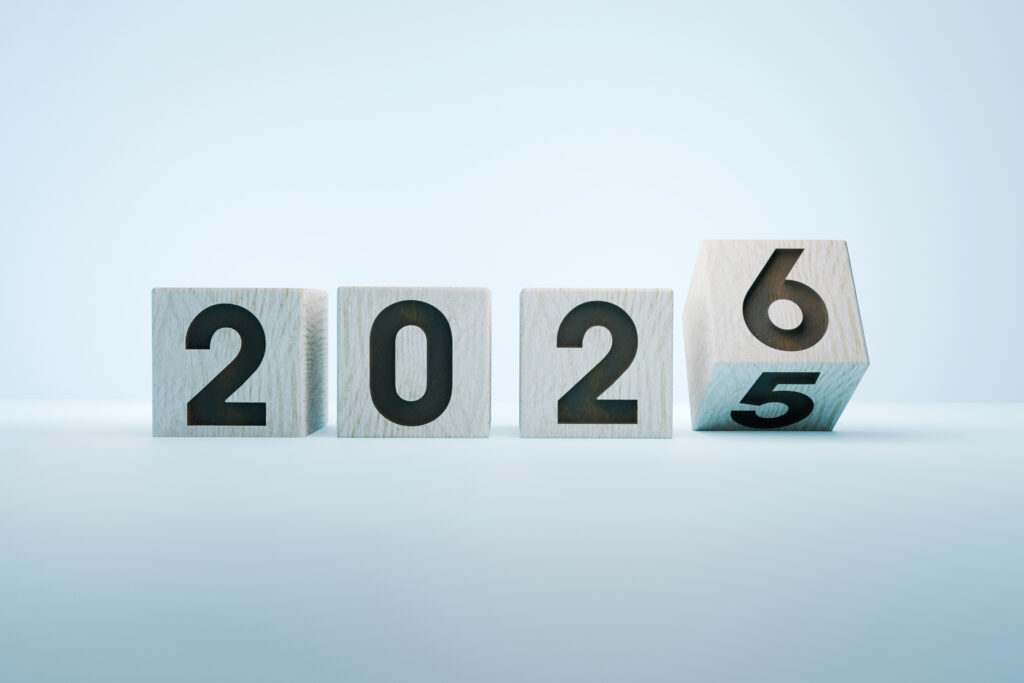
New Year Reflections: Why Resolutions Matter for Mental Health
As a therapist, I’ve always found the New Year to be an emotional time—and it took me a while to understand why. Self-reflection is a big part of therapy, something I practice regularly, but every January, the emotions seem to hit harder. It made me wonder: what is it about this time of year that stirs so much feeling?
A Tradition with Deep Roots
New Year’s resolutions aren’t just a modern trend—they go back over 4,000 years! The Babylonians started the tradition with their Akitu festival, promising their gods to repay debts and return borrowed items for good fortune. Over time, this evolved through medieval knights’ vows and Christian practices of reflection, eventually becoming the secular goals we know today—health, finances, skills, and more.
Why January?
The Romans named January after Janus, the two-faced god of beginnings and endings. Janus looked both backward and forward, making this the perfect time for reflection and fresh starts. Psychologists call this the “Fresh Start Effect”—a symbolic clean slate that boosts motivation and optimism.
What Do Resolutions Mean for Mental Health?
Resolutions can be powerful. According to mental health experts, setting goals taps into our need for growth and purpose. Achieving small steps even triggers dopamine—the brain’s “feel-good” chemical. When goals are realistic and aligned with your values, they can support mental well-being by giving life structure and meaning.
But here’s the catch: unrealistic or rigid resolutions can backfire. Pressure, perfectionism, and self-criticism can lead to anxiety and low self-esteem. That’s why it’s important to shift from overwhelming “resolutions” to flexible “intentions.” Focus on self-compassion, meaningful activities, and progress—not perfection.
The Takeaway
Start the year with reflection but remember: change doesn’t have to happen in January. You can make positive shifts anytime. The key is to be kind to yourself, set achievable goals, and celebrate every step forward.